



A Not-So-Meager Dictionary!
Socca and Soca
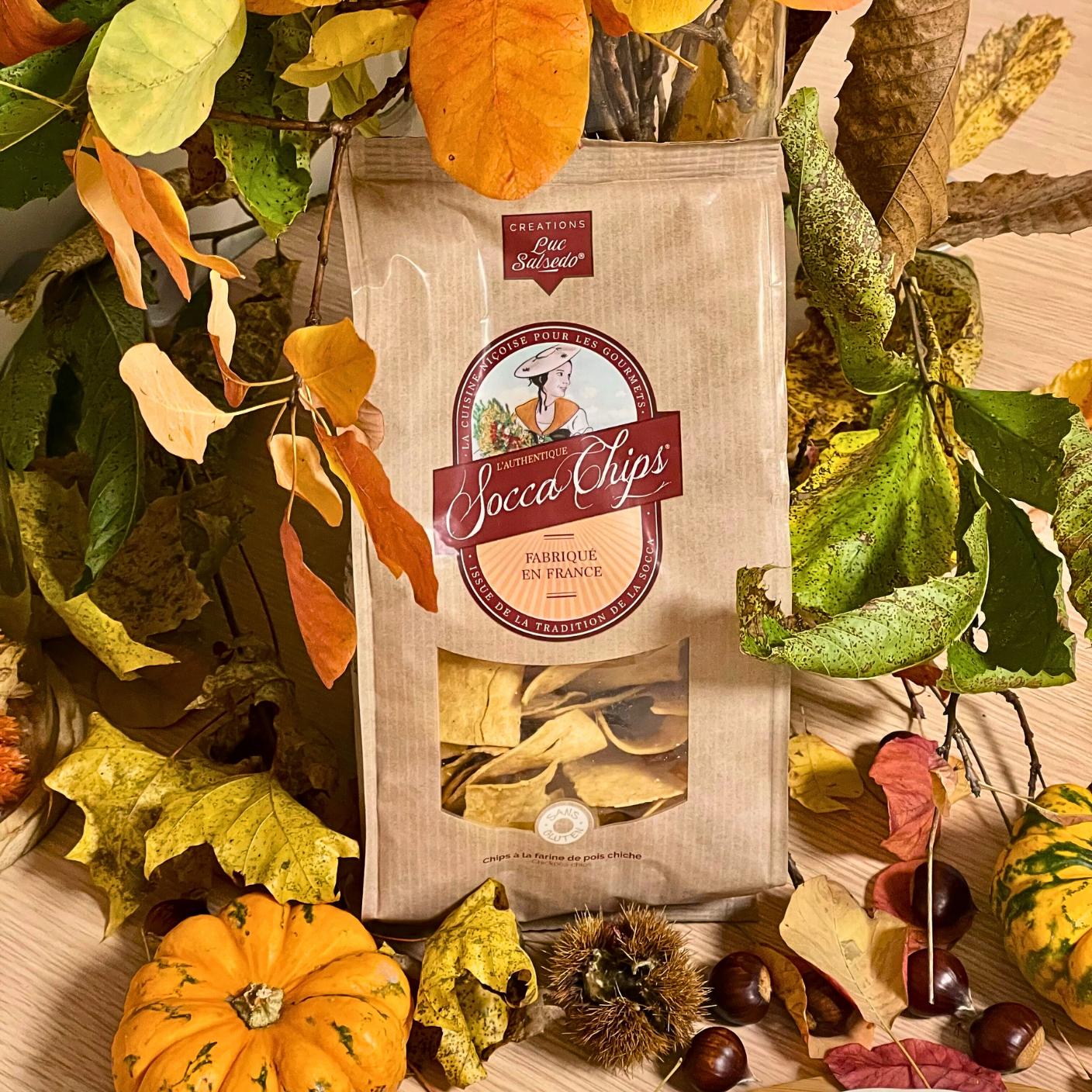
Our nouostra soca, a delicious chickpea flour specialty, made its grand entry into the 2017 edition of the Larousse dictionary — and not just any edition, but the bicentennial one!
Of course, some locals (les rougnous) might wonder why they decided to garnish it with an extra “C.” Well, only the rich get richer, as they say!
In Toulon, it’s called cade; in Liguria, farinata; in Sardinia, fainé; in Tuscany, cecina; in Algeria, calentica… and so on.
Fried chickpea flour dishes date back to ancient times all around the Mediterranean basin — the Egyptians were already enjoying them over 8,000 years before Christ.
Naturally, the best of all is the Niçoise recipe, thinner and crispier than its Italian cousin, farinata.
Fun fact: Cade made its way to Toulon during the Napoleonic Empire, brought by Niçois workers employed at the Toulon naval shipyards.
The Union of Socca and Pissaladière Vendors
On September 16, 1940, in Nice, at 30 Quai Lunel, was founded the Union of Socca and Pissaladière Vendors of Nice, Monaco, and the Alpes-Maritimes.
Its mission: “to coordinate their efforts and defend the interests of their profession.”
Article 8 of its statutes declared its duration unlimited — and since the union surely had other concerns in the years that followed, who knows? It might still exist today!
Do the descendants of the five founding members know the answer?
Among them were:
Joseph Mazzone, 13 rue Bavastro
Joseph Bosano, 6 rue du Malonat
Jean Ivaldi, 3 rue Saint-François
Antoine Marie Olivo, 4 rue Saint-Joseph
Louis André Terese, 3 rue Sainte-Claire
How to Enter History Through the “Wrong Door”
Searching online for more about socca’s origins, one comes across the same curious story repeated across many sites:
“In a 19th-century Niçard-language work by historian Raoul Nathiez, Ma qu era Caterina Segurana?, the author describes how, during the 1543 siege of Nice by the Turks, the townspeople, having run out of weapons, poured boiling oil mixed with chickpea soup over the attackers — and thus, by happy accident, discovered the recipe for socca! The Turks, it seems, immediately lost their appetite for battle.”
A witty anecdote, of course — but one that many reputable newspapers have repeated as fact!
Poor Thérèsa must be turning in her grave!